| Auteurs | Gregor Markl & Wolfgang Wagner |
| Taal | Engels |
| ISBN | - |
| Uitgever | Gregor Markl |
| Pagina's | 8556 |
| Formaat | 25 × 30 cm |
| Bindwijze | Gebonden |
| Afbeeldingen | Kleurenfoto's en verspreidingskaarten |
| Jaar van uitgave | 2026 |
Let op: dit is een eenmalige druk, dus na maart is het op=op!
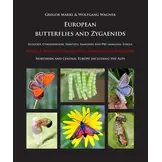
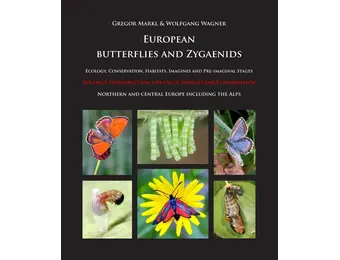
This unprecedented 20-volume set is the result of an 8-year project that has assembled all ecological and biological information available for all central and northern European butterflies, Burnet and Forester Moths, in total 353 species, 42 of which are Zygaenidae species. The work covers an area from the French and northern Croatian Mediterranean coast to the North Cape in Norway, from the Rhône valley in the west to the Black Sea in the east, and includes the UK and Ireland.
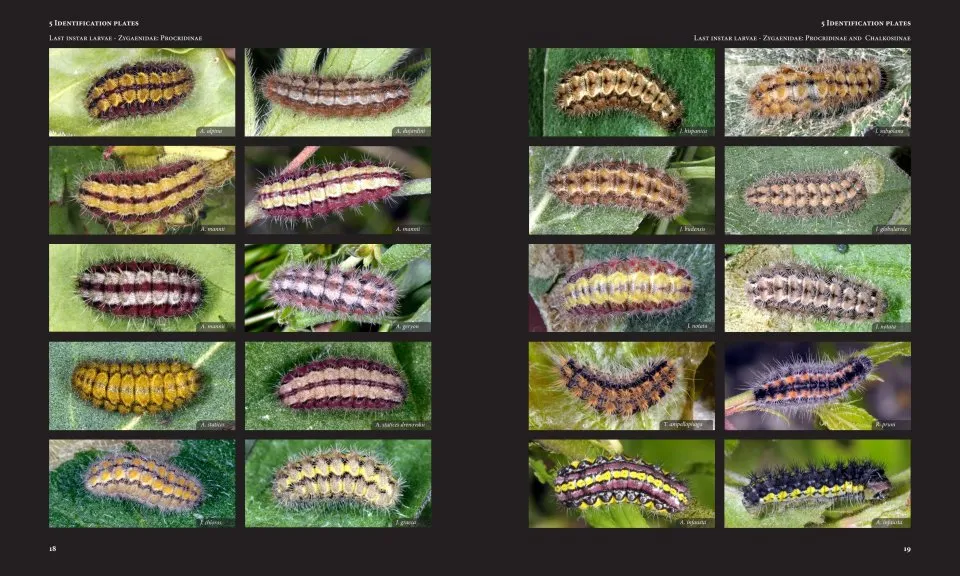
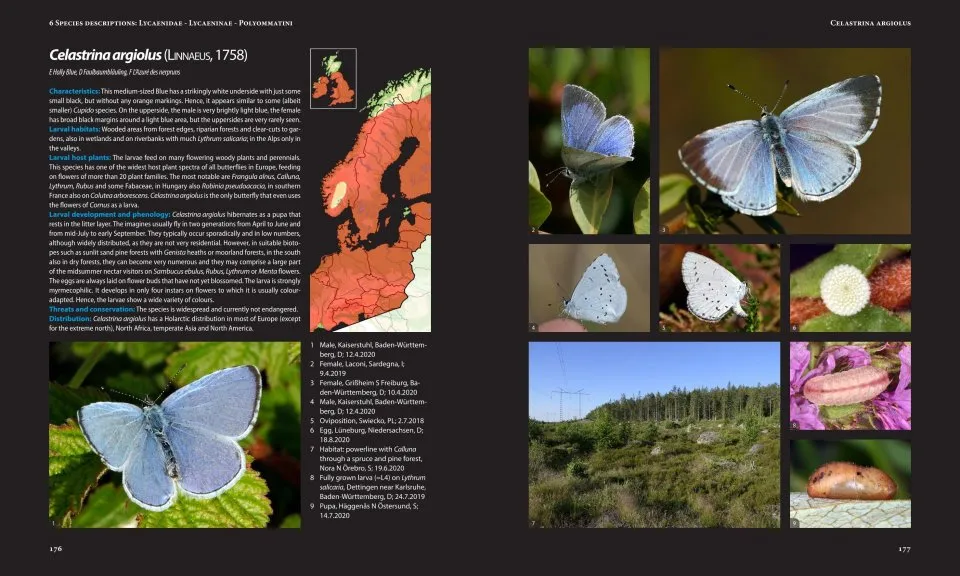
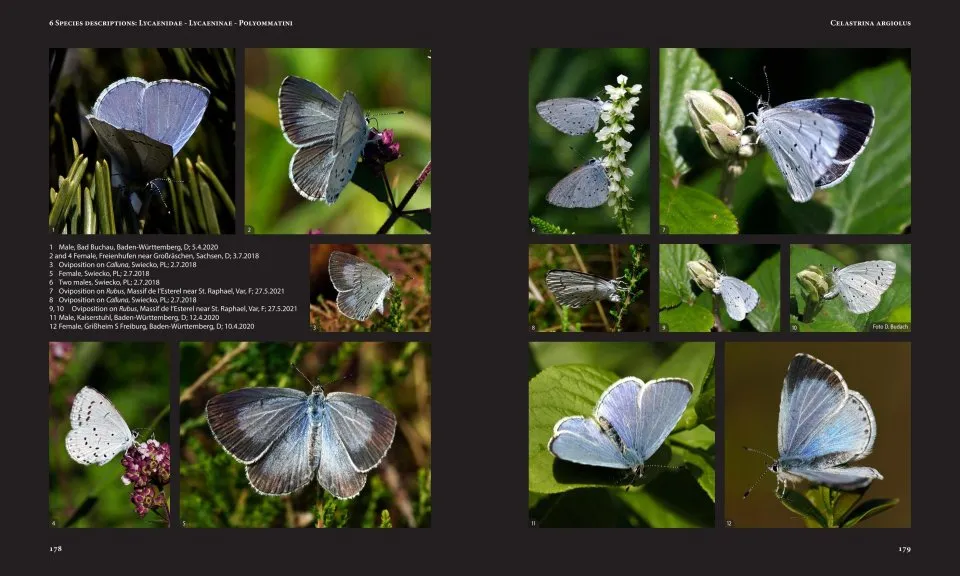
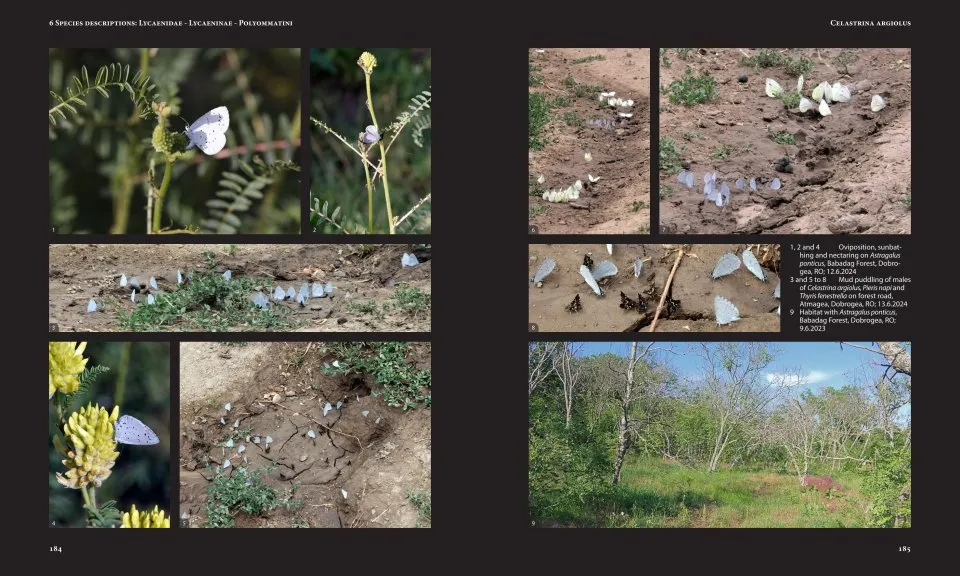
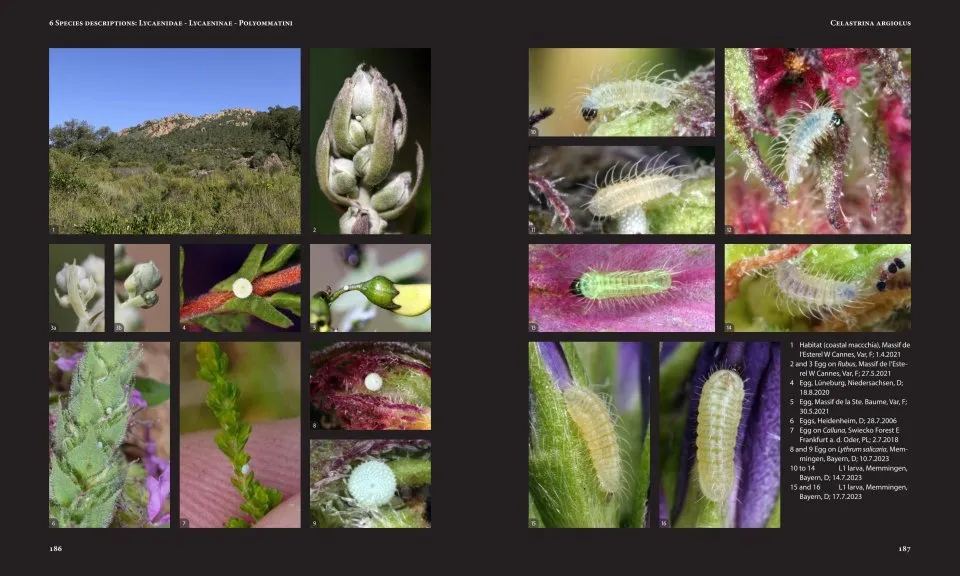
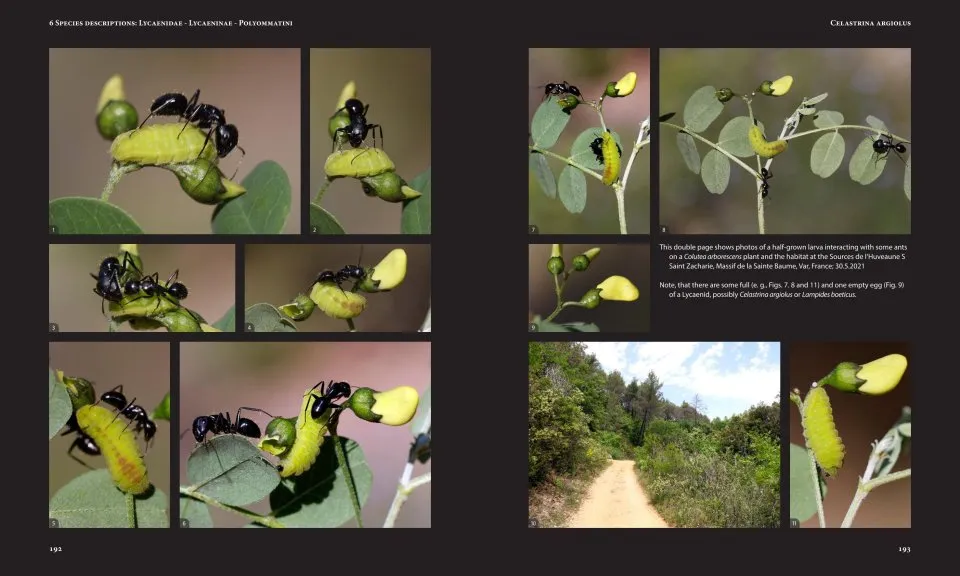
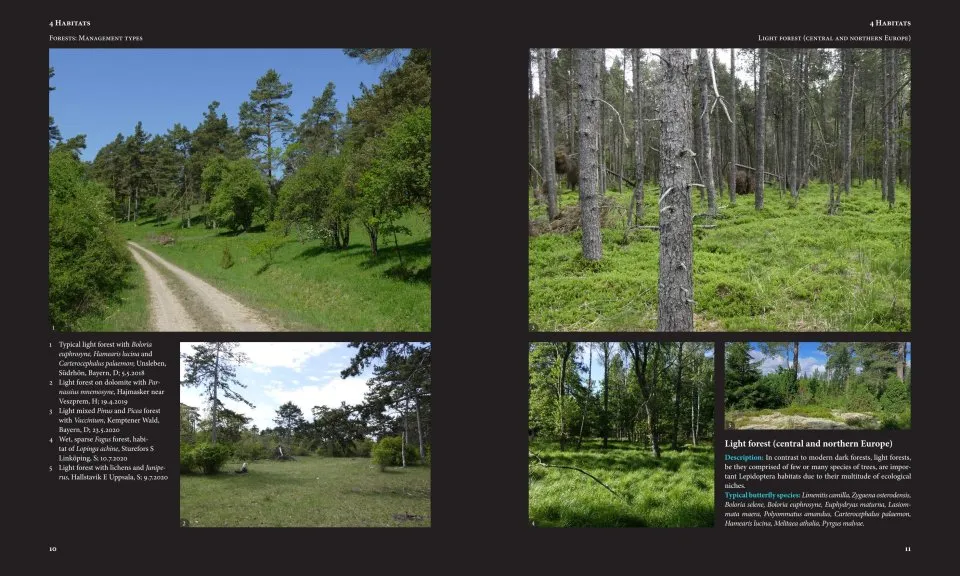
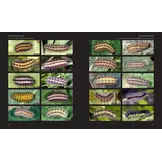
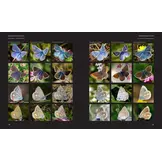
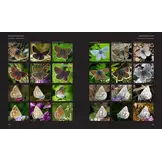
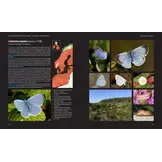
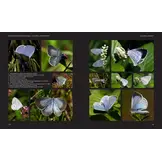
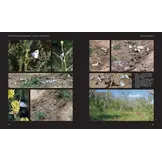
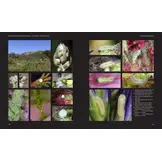
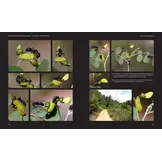
The main focus is on the high-quality photos not only of the imagines, for which there are plenty of publications and online resources, but also on all pre-imaginal stages. The authors have managed to take or acquire photos of more than 99% of all imaginal and pre-imaginal stages (i.e.. egg, all larval instars, pupa, cocoon, and imago), which has never before been tried or done. All imaginal and pre-imaginal photos are of living specimens, rather than dead specimens held in collections. The combination of large-format books (25 × 30 cm) and black backgrounds makes all the photographic plates, the lifeblood of these books, stand out particularly well.
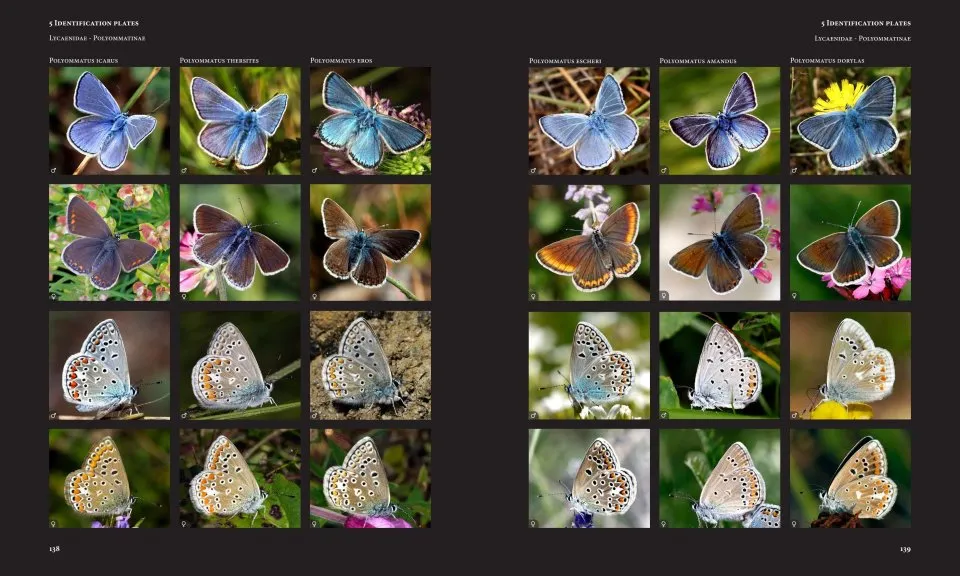
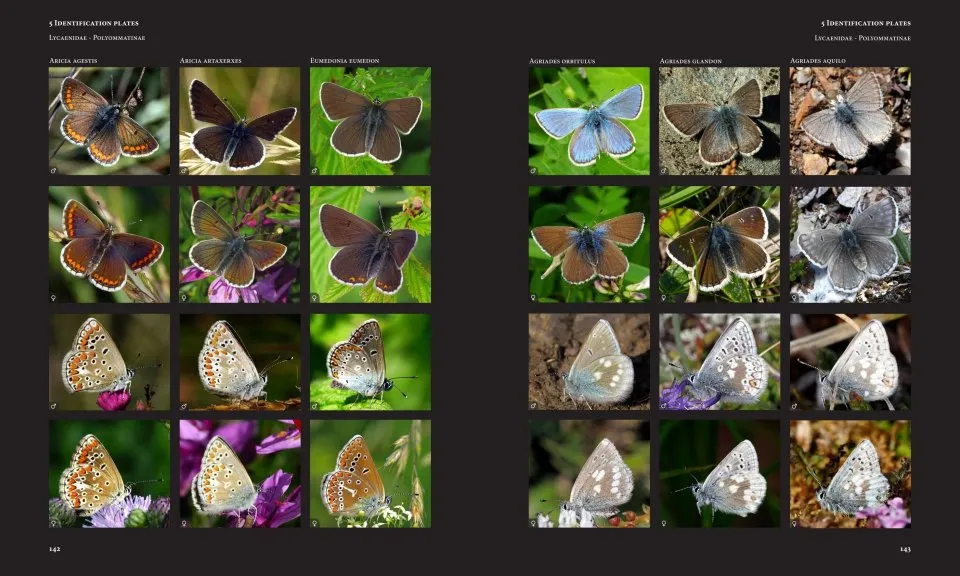
The most important information about each species is summarised concisely: identification, larval habitats, larval host plants, phenology and development, threats and conservation, as well as overall distribution and a map of distribution in central and northern Europe. All of this information is then documented in detail with photos on the following pages for each species. Practically all species are illustrated in all pre-imaginal stages, often showing variations not only of the imagines but also of the pre-imaginal stages. The identification plates in Volume 3 show the upper and lower sides of males and females (if they are different), all typical egg and pupa forms, and many caterpillar forms of all 353 species covered. The book includes a list of all known larval host plants in alphabetical order, indicating the Lepidoptera species that feed on each.
Each volume has between 300 and 520 pages, in total 8556 pages, and the 20 volumes cover the following topics and families:
Volume 1: Introduction; Life cycle; Threats and conservation
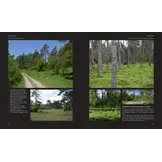
Volume 2: Habitats
Volume 3: Identification plates (imagines, eggs, pupae and mature larvae); Papilionidae
Volume 4: Hesperiidae
Volume 5: Zygaenidae I (Procridinae, Chalkosiinae, Zygaeninae I)
Volume 6: Zygaenidae II (Zygaeninae II)
Volume 7: Zygaenidae III (Zygaeninae III)
Volume 8: Pieridae
Volume 9: Riodinidae and Lycaenidae I (Theclini, Eumaeini, Lycaenini)
Volume 10: Lycaenidae II (Polyommatini I)
Volume 11: Lycaenidae III (Polyommatini II)
Volume 12: Lycaenidae IV (Polyommatini III)
Volume 13: Nymphalidae I (Danainae, Charaxinae, Libytheinae, Nymphalini, Limenitidinae, Apaturinae)
Volume 13: Nymphalidae II (Argynnini)
Volume 14: Nymphalidae III (Melitaeini I)
Volume 15: Nymphalidae IV (Melitaeini II, Coenonymphini)
Volume 16: Nymphalidae V (Melanargiini, Maniolini, Elymniini)
Volume 17: Nymphalidae VI (Satyrini I)
Volume 18: Nymphalidae VII (Satyrini II, Erebiini I)
Volume 19: Nymphalidae VIII (Erebiini II)
Volume 20: Nymphalidae IX (Erebiini III)
Please note that this set weighs an estimated 70 kg and will be delivered to us from the printers in four boxes, each containing five volumes that are sturdily packaged. Volumes are not available individually.