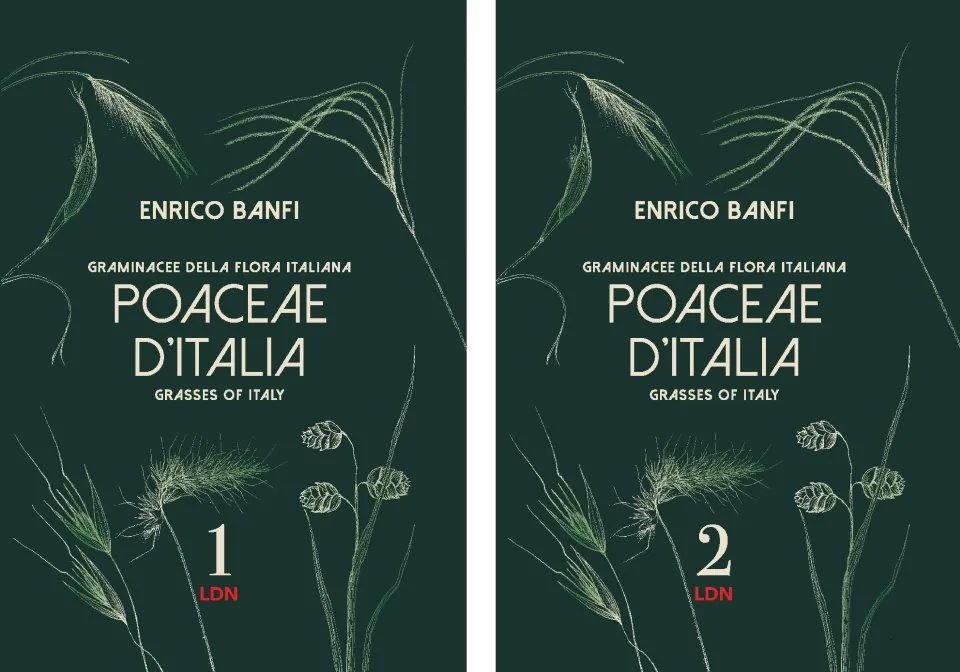
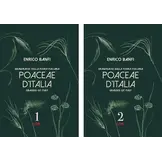
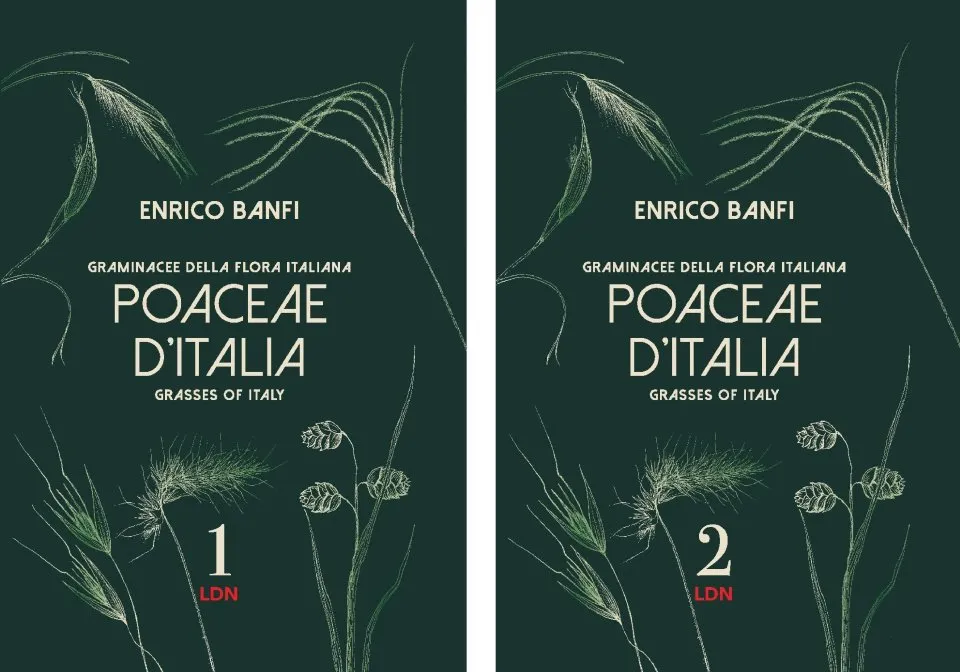
Poaceae d'Italia / Grasses of Italy is a bilingual Italian/English edition that contains two volumes, 2,042 pages, hardcover.
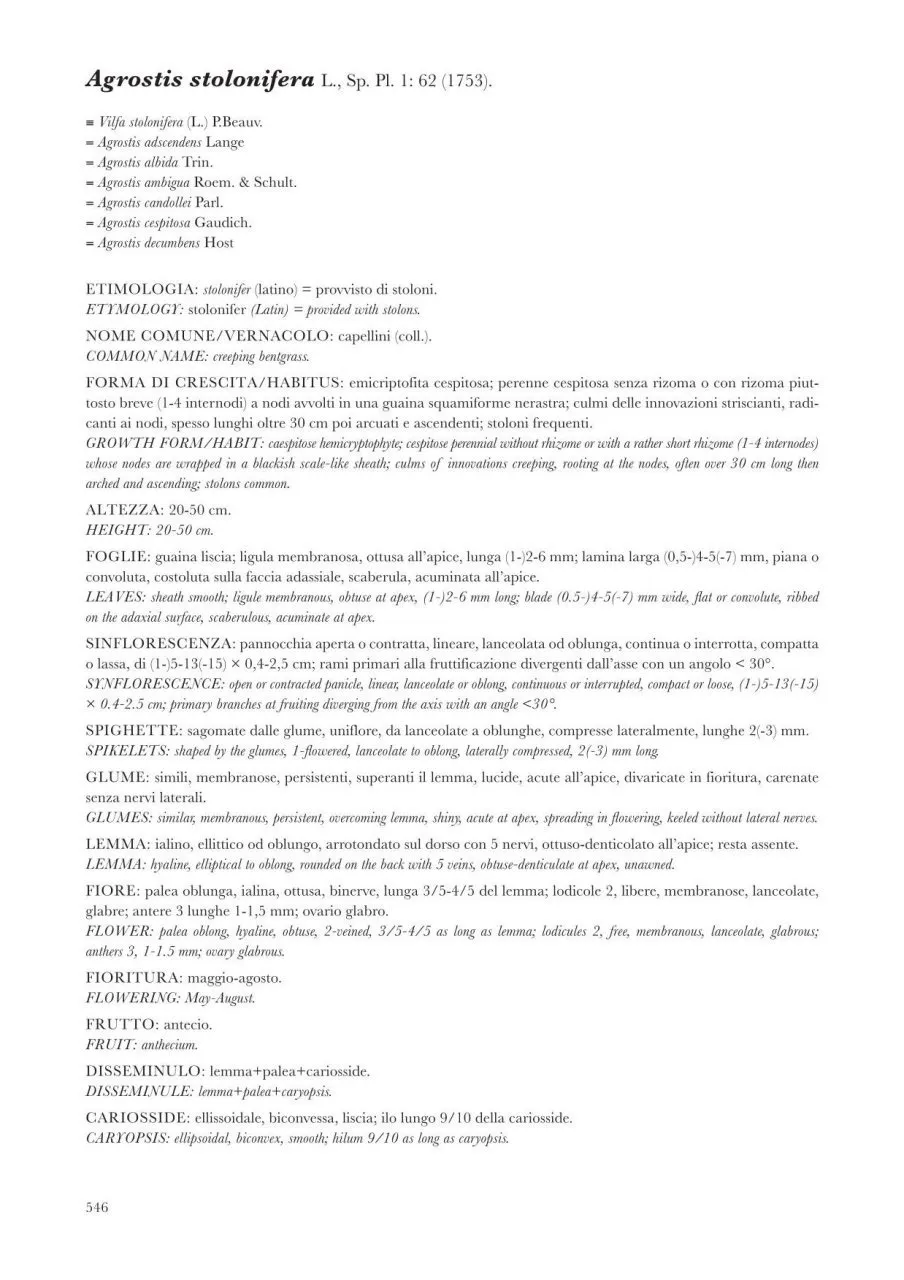
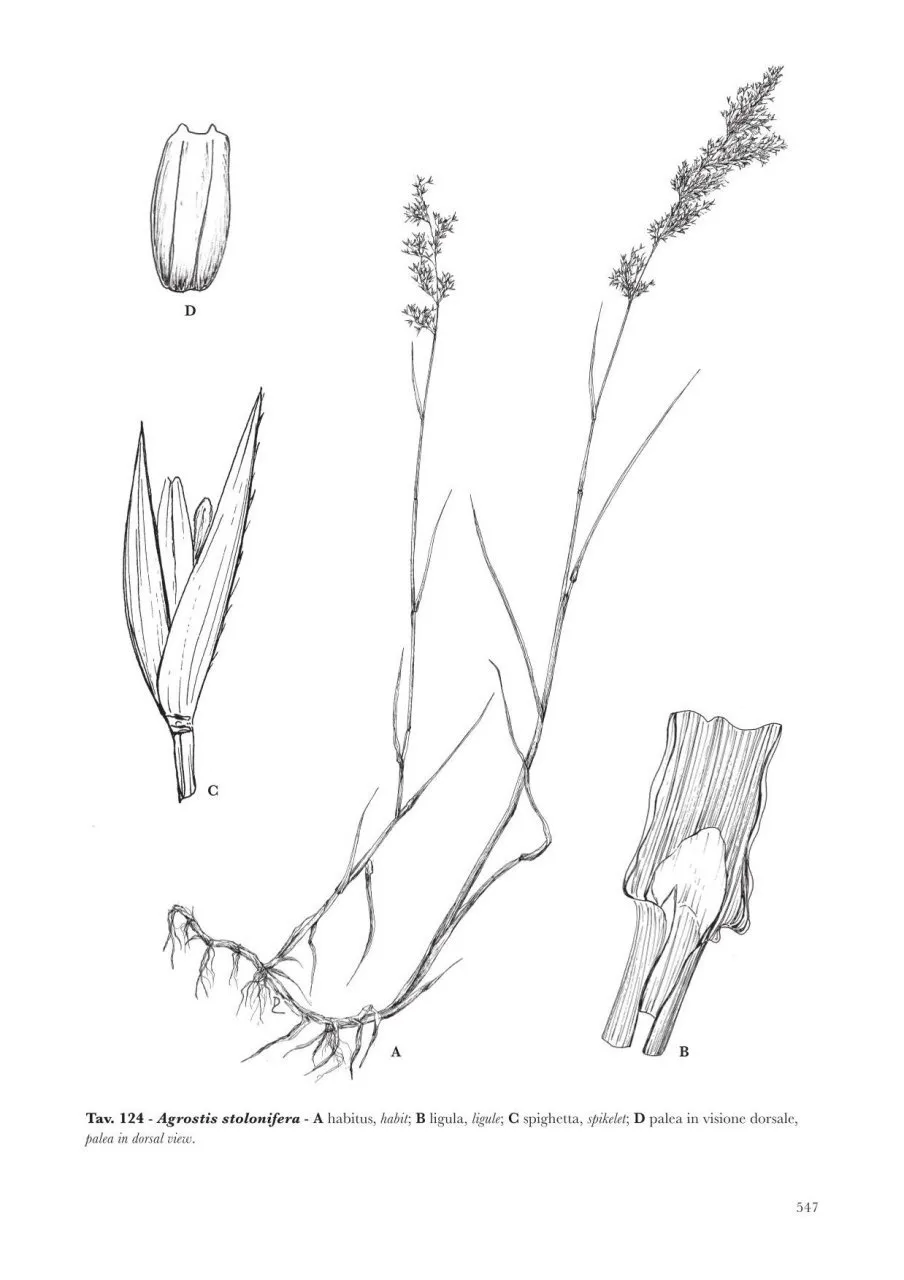
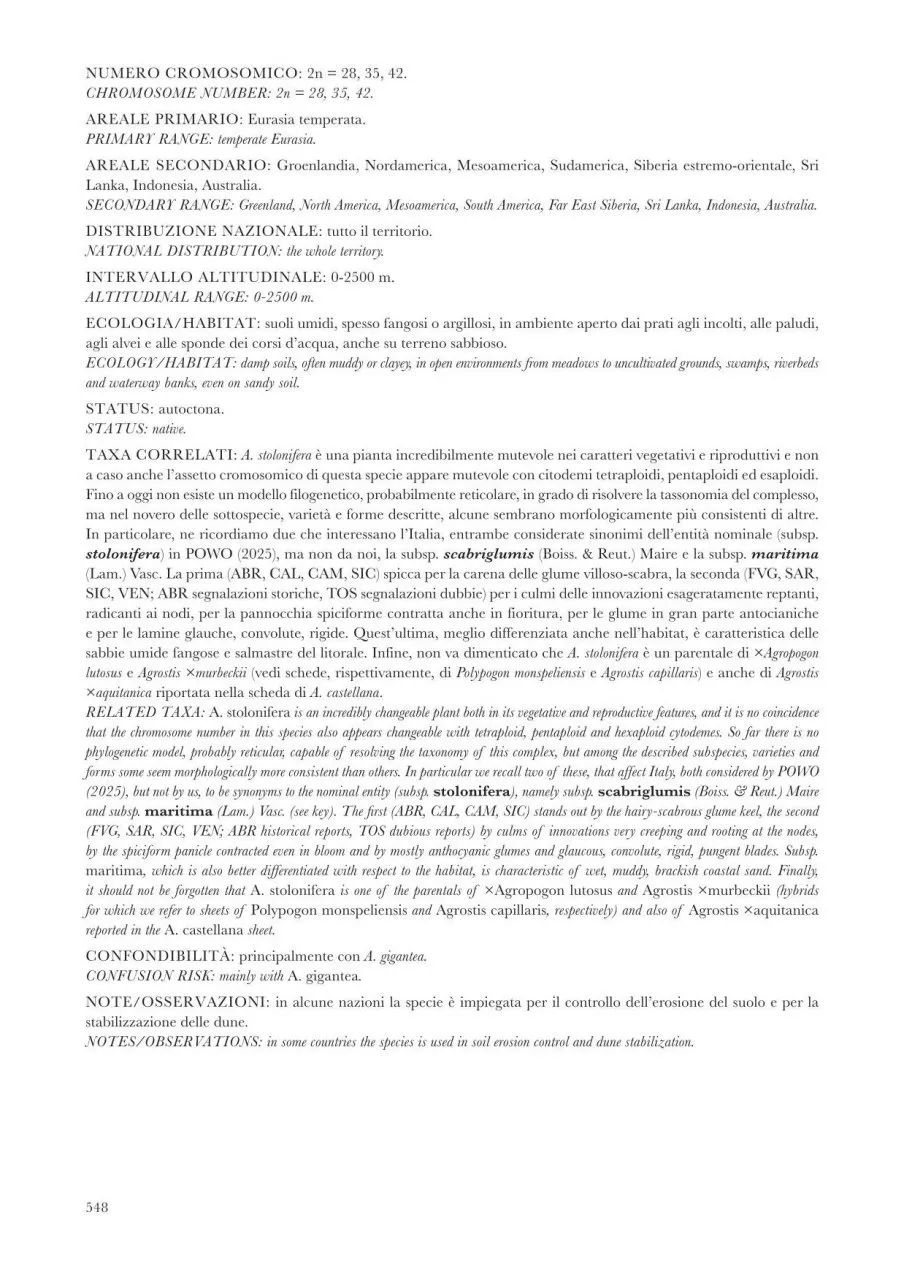
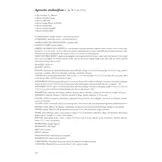
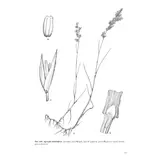
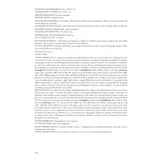
Una monografia dedicata alla famiglia delle graminacee (Poaceae), che nel mondo, per numero di specie rispetto alle altre famiglie di piante, occupano il quinto posto in graduatoria, mentre in Italia sono in prima posizione insieme alle Asteraceae. 2 Volumi, oltre 1000 pagine ciascuno, è la prima monografia italiana di questo tipo. La parte generale, con una ricca documentazione iconografica, introduce i caratteri distintivi di questa famiglia d'importanza primaria per l'ambiente, la flora, la vegetazione, il paesaggio, l'agricoltura e la sanità, dalla morfologia alla riproduzione, alle modalità di dispersione, alla filogenesi e alla biogeografia, con l'aggiunta di un capitolo sulla domesticazione delle specie selvatiche e la nascita delle colture agrarie. La parte speciale propone il riconoscimento delle entità spontanee, autoctone ed esotiche presenti in Italia, mediante chiavi analitiche dicotomiche da genere a sottospecie, con il supporto di 517 tavole di disegni originali in b/n. Infine il prospetto sistematico delle specie ordinato per tribù, l'indice sinonimico dei nomi scientifici, il glossario, i riferimenti bibliografici del testo e una bibliografia generale orientativa. Edizione bilingue italiano/inglese. II volumi, pagg. 2042, rilegato.
Engels
A monograph dedicated to the grass family (Poaceae), which ranks fifth in the world in terms of number of species compared to other plant families, while in Italy it ranks first along with the Asteraceae. This two-volume, over 1,000-page book is the first Italian monograph of its kind. The general section, with extensive iconographic documentation, introduces the distinctive characteristics of this family, of primary importance to the environment, flora, vegetation, landscape, agriculture, and health, from morphology to reproduction, dispersal, phylogeny, and biogeography. It also includes a chapter on the domestication of wild species and the emergence of agricultural crops. The special section proposes the identification of spontaneous, native, and exotic species present in Italy, using dichotomous analytical keys from genus to subspecies, supported by 517 plates of original black and white drawings. Finally, a systematic list of species organized by tribe, a synonym index of scientific names, a glossary, references, and a general bibliography are included.
About the author
Enrico Banfi, a member of the Italian Botanical Society since 1966, graduated in Biological Sciences from the University of Milan. He served as curator and founder of the Botany Section of the Natural History Museum of Milan in 1976 and later became the Museum's director (2001-2011). Over his career, he has significantly advanced the knowledge of Italy's flora and the taxonomic understanding of various genera and species, with a particular focus on the family Poaceae – one of the structural pillars of Italy's herbaceous vegetation.