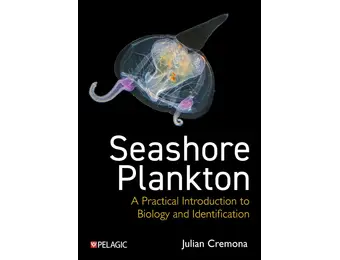
| Autor | Julian Cremona |
| Sprache | Englisch |
| ISBN | 9781784276195 |
| Verlag | Pelagic Publishing |
| Seiten | 264 |
| Großë | 24,4 x 17 cm |
| Format | Taschenbuch |
| Bilder | Farbfotos |
| Erscheiningsjahr | 2026 |
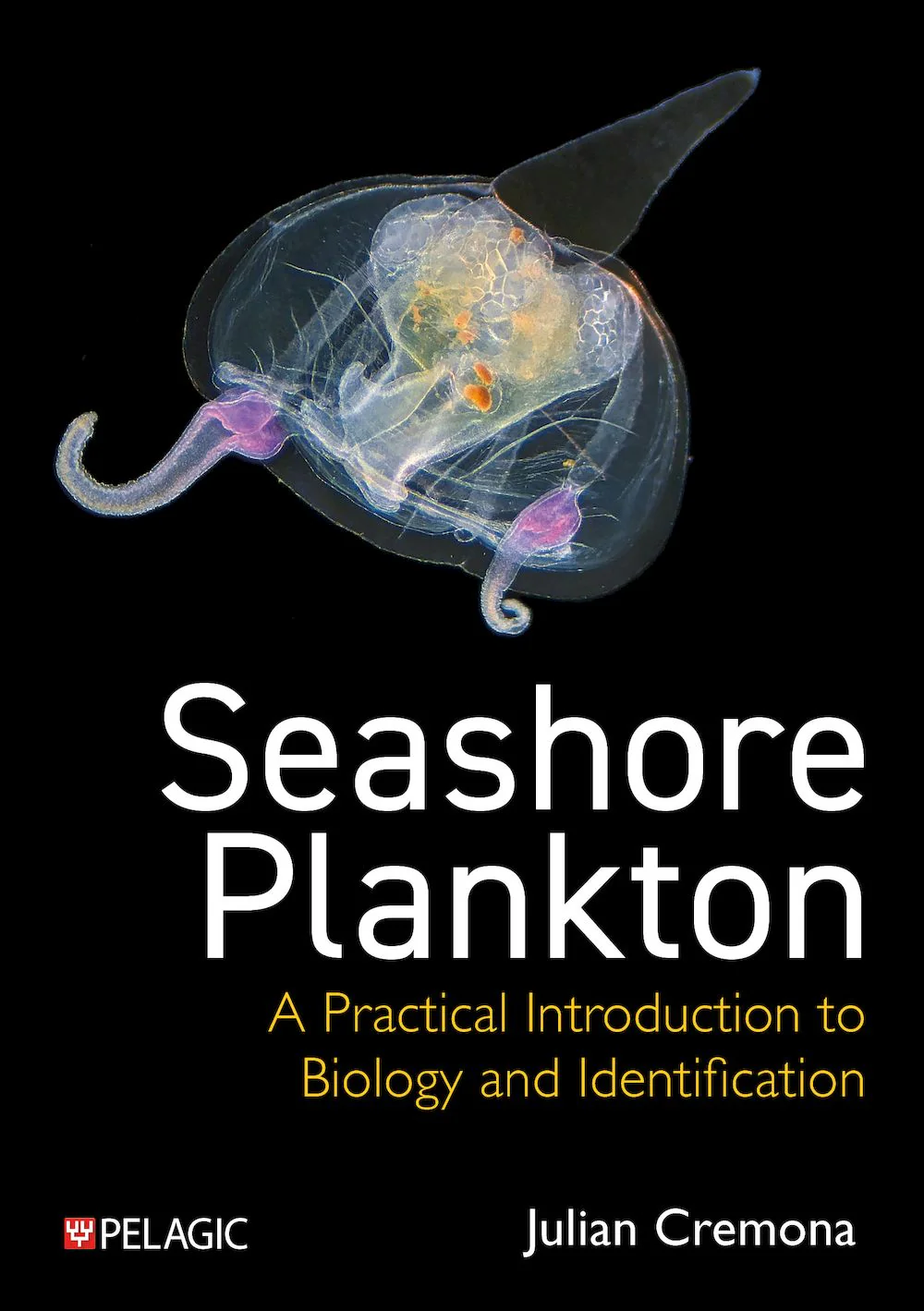
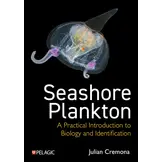
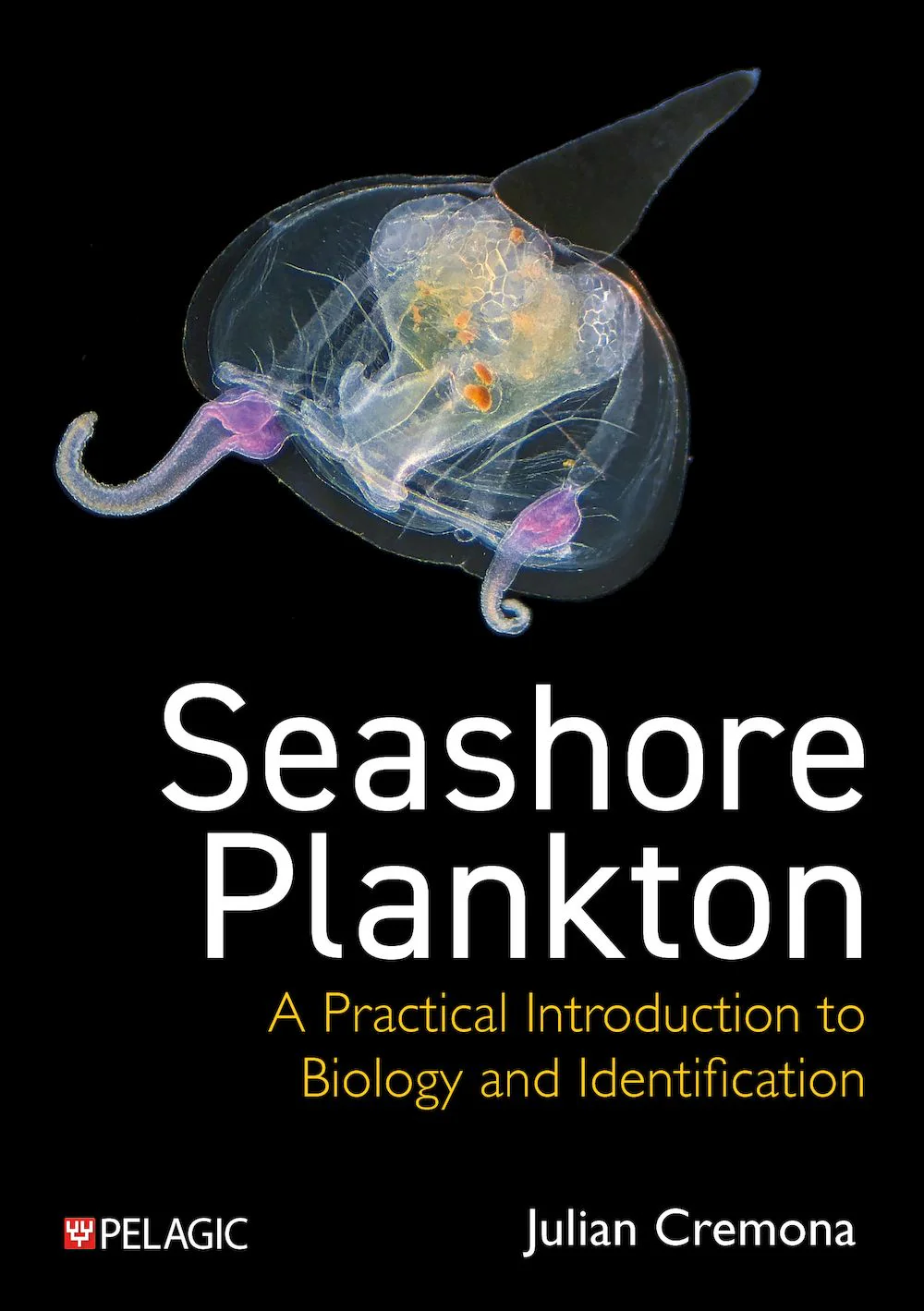
Seashore Plankton:
- The first ever practical guide to collecting, observing and identifying plankton along our coasts.
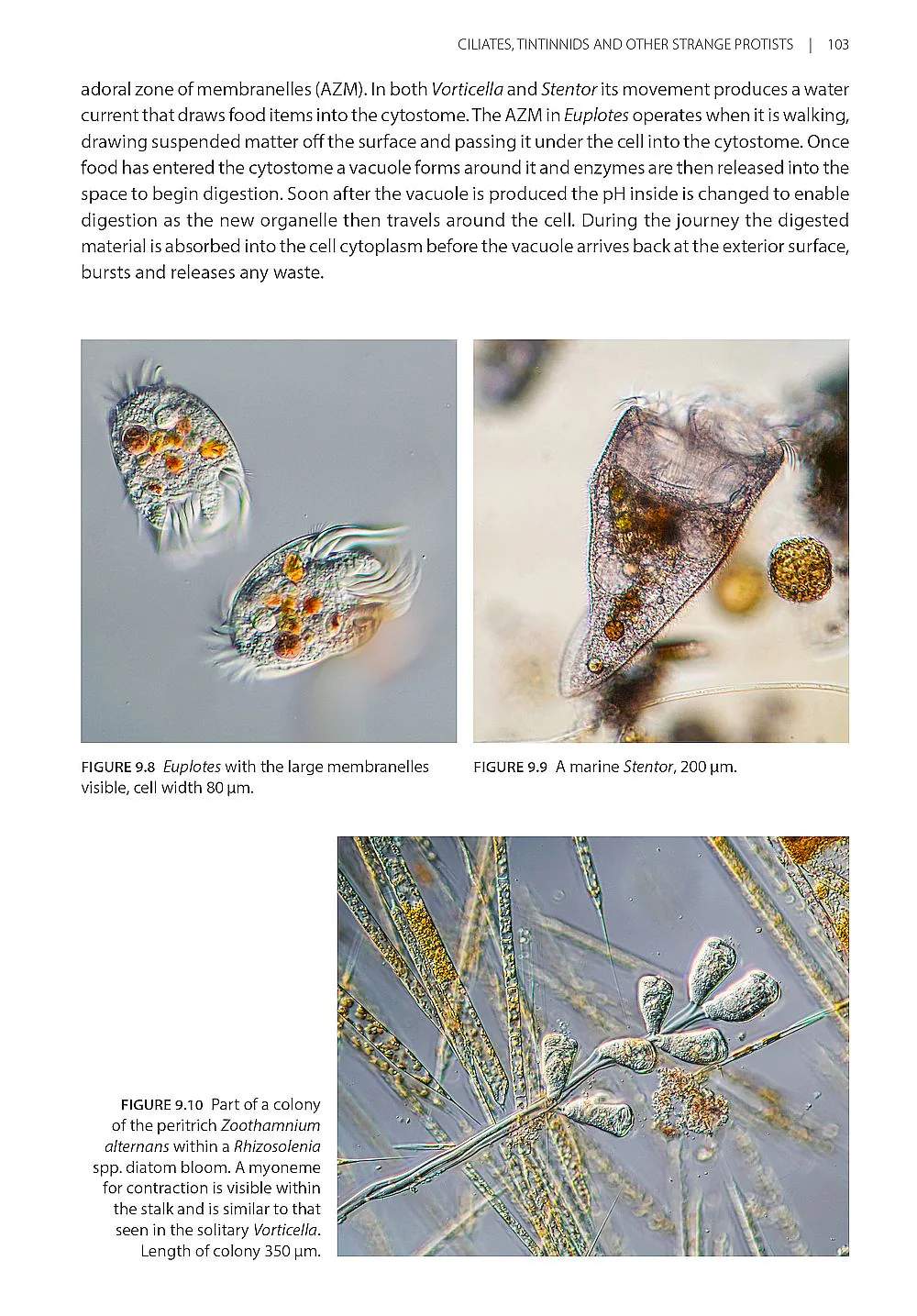
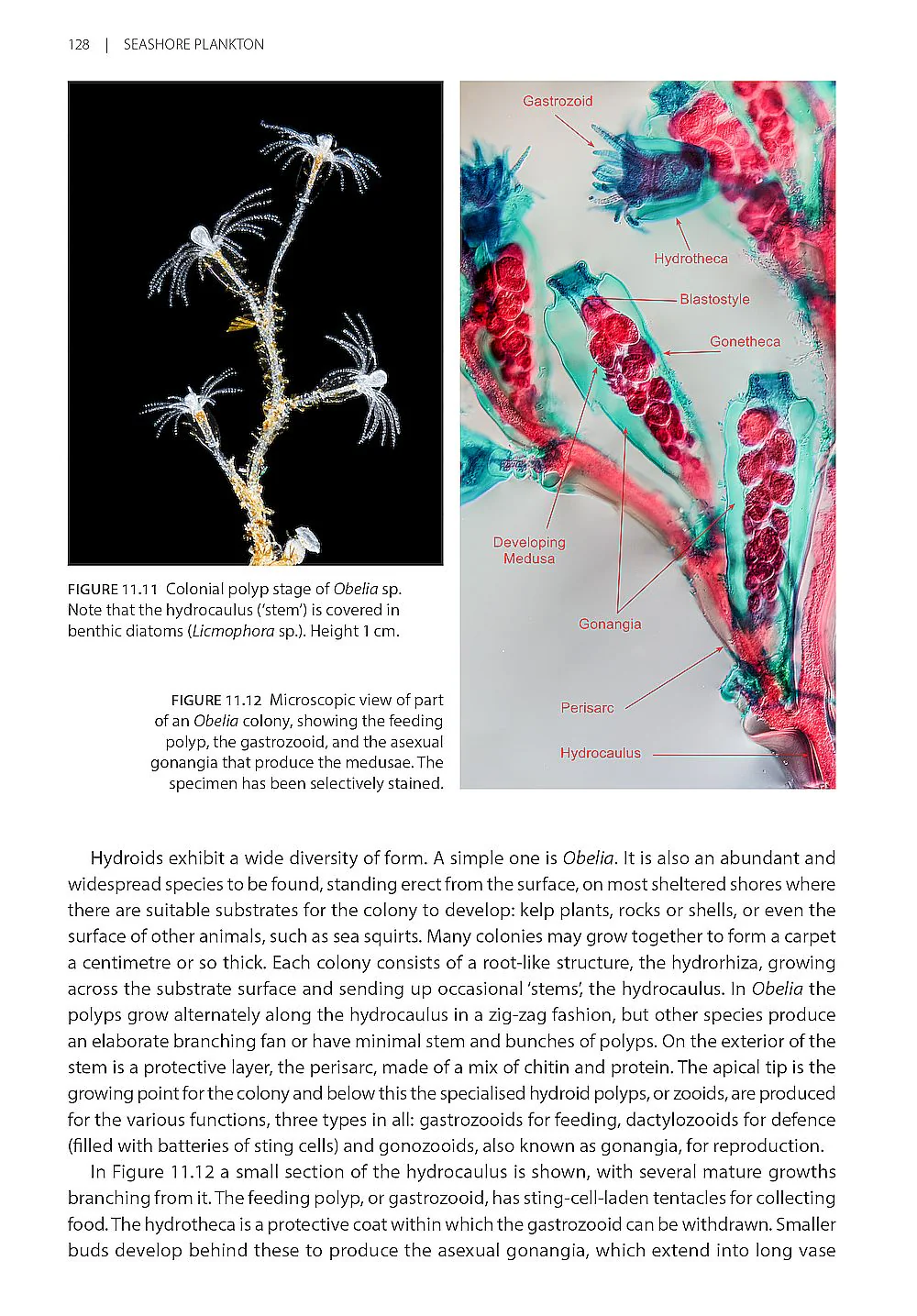
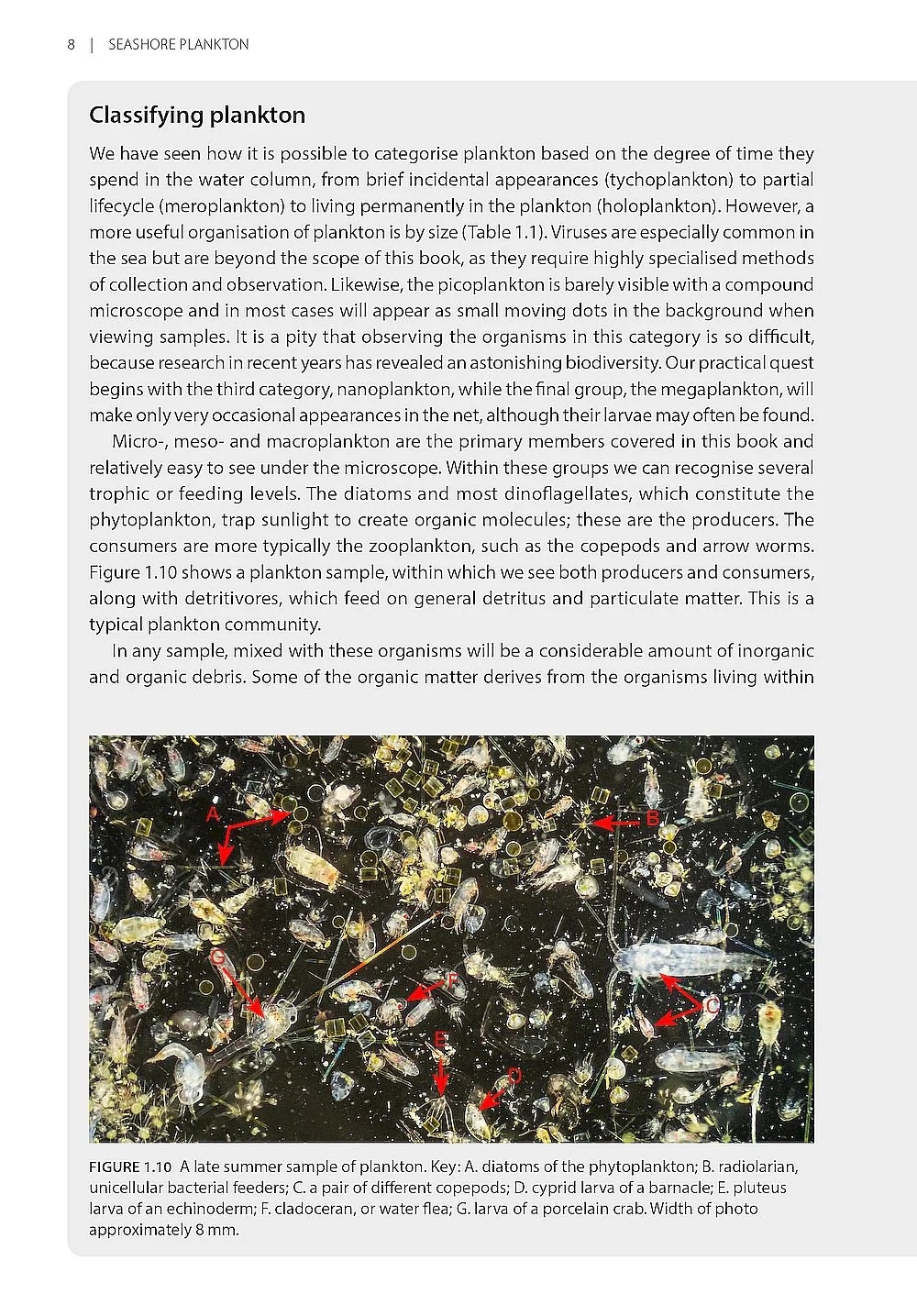
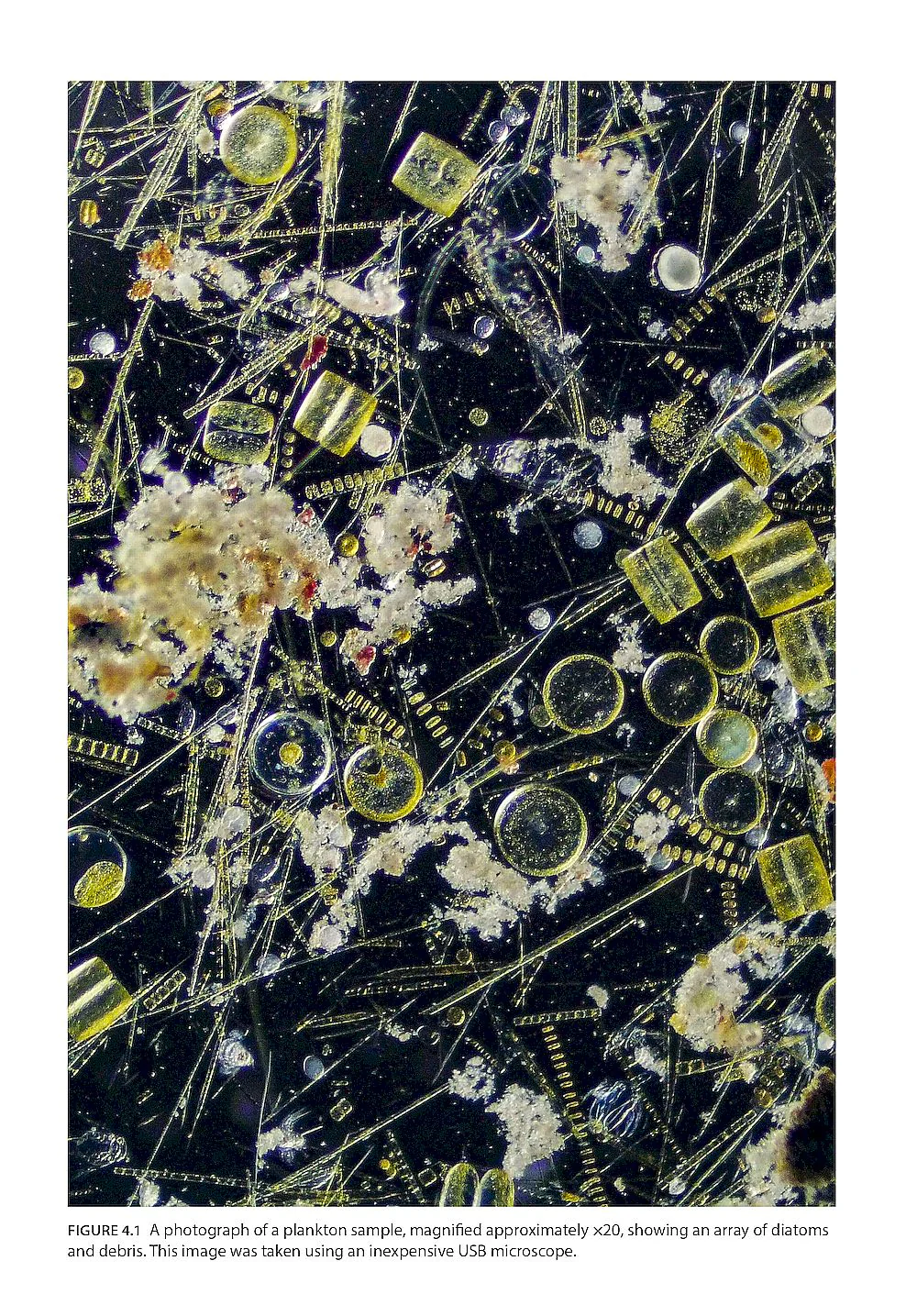
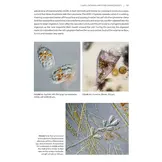
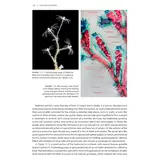
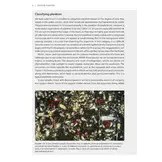
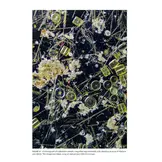
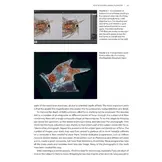
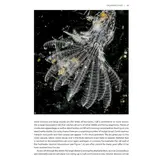
- Over 400 high-quality photographs of microscopic plankton, showing life-forms that most people never see.
- Accessible descriptions of the life and biology of the many different organisms.
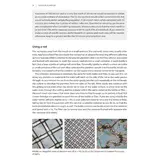
For the first time, here is a practical guide to marine plankton as seen and collected from the seashore. Perfect for naturalists and ecologists, amateur or professional alike, this book accesses a captivating hidden world. Illustrated throughout with stunning photographs, the multitudes of microscopic life-forms typically found in seawater that laps the shore are displayed, discussed and interpreted.
The first section explains what exactly plankton is and sets out the practicalities of shore collection. We are guided through where and how to do this, observing samples and the basics of using microscopes not only to view but also to photograph the creatures. The second section, comprising the bulk of the book, then takes us into the living organisms we are likely to find: from diatoms, dinoflagellates and even fungi, through single-celled organisms to the huge array of invertebrates and chordates. The concluding third section offers a holistic view, considering ecology and the importance of understanding planktonic life while underlining the problems caused by human activity.
Readers will learn:
- The biology of plankton, including lifecycle, seashore and estuarine habitats, as well as classification.
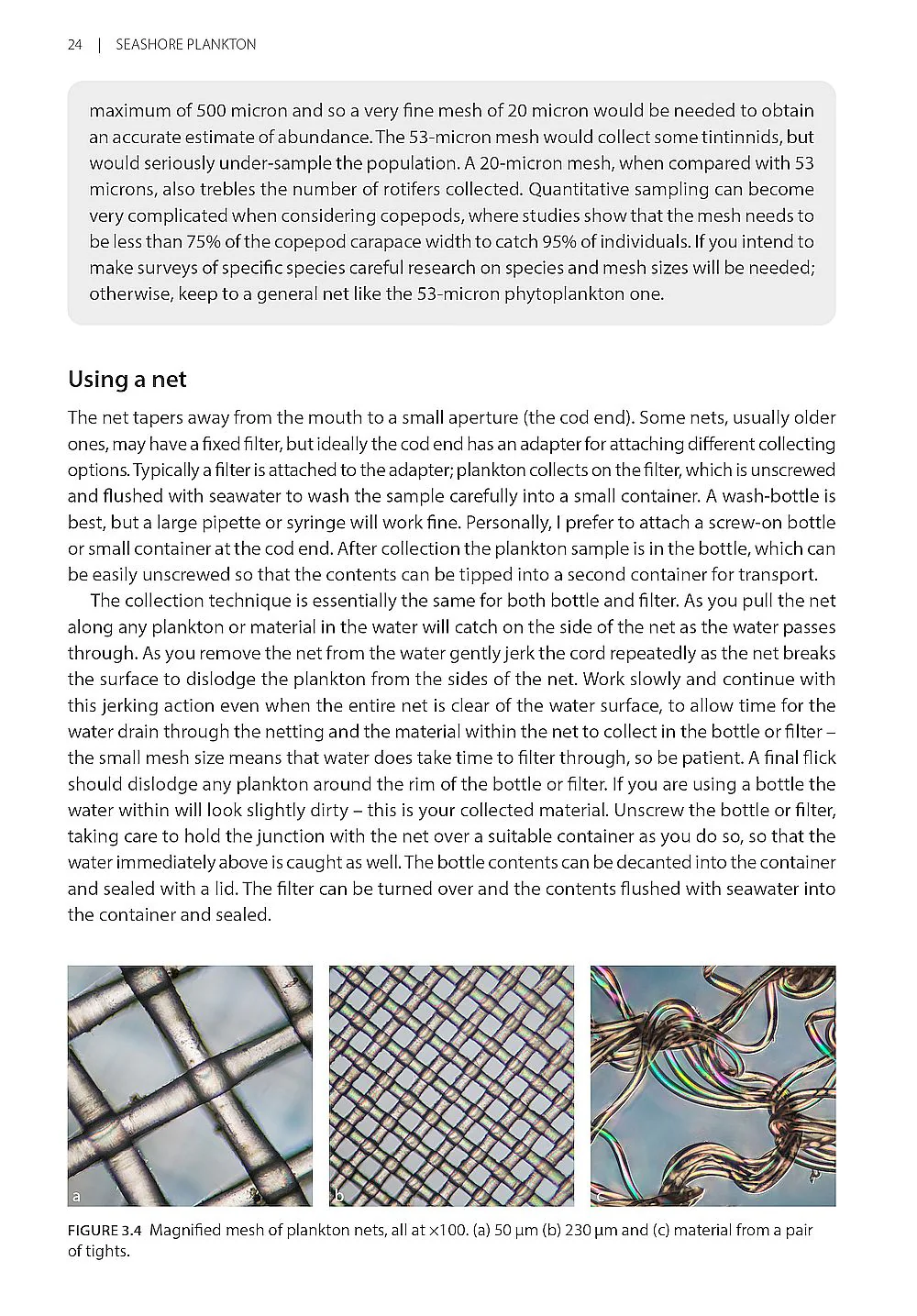
- Shore-based collection skills and processes: observing marine plankton, including via digital microscopes and optical microscopes, how to sort and view samples.
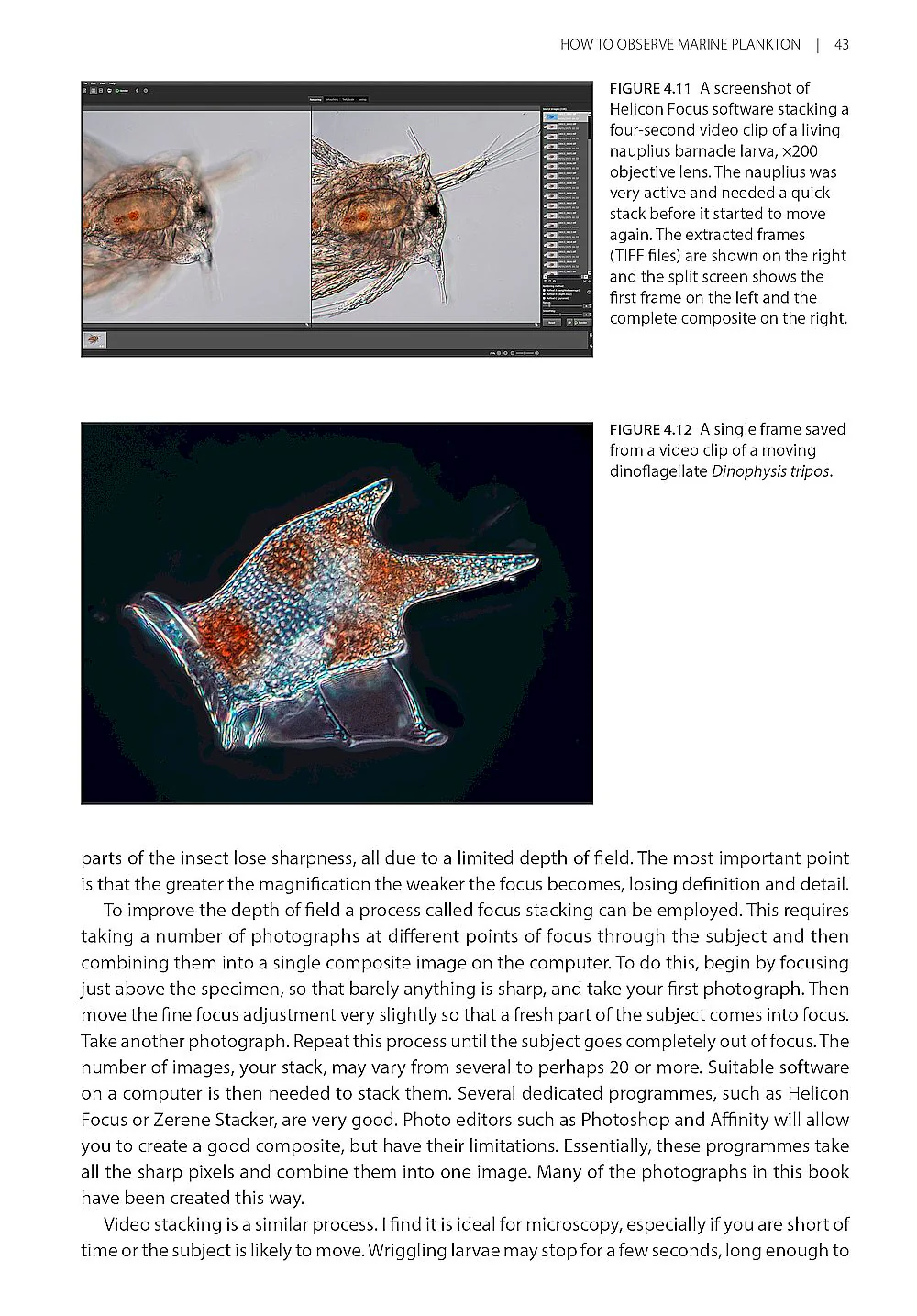
- Microscopic photography techniques.
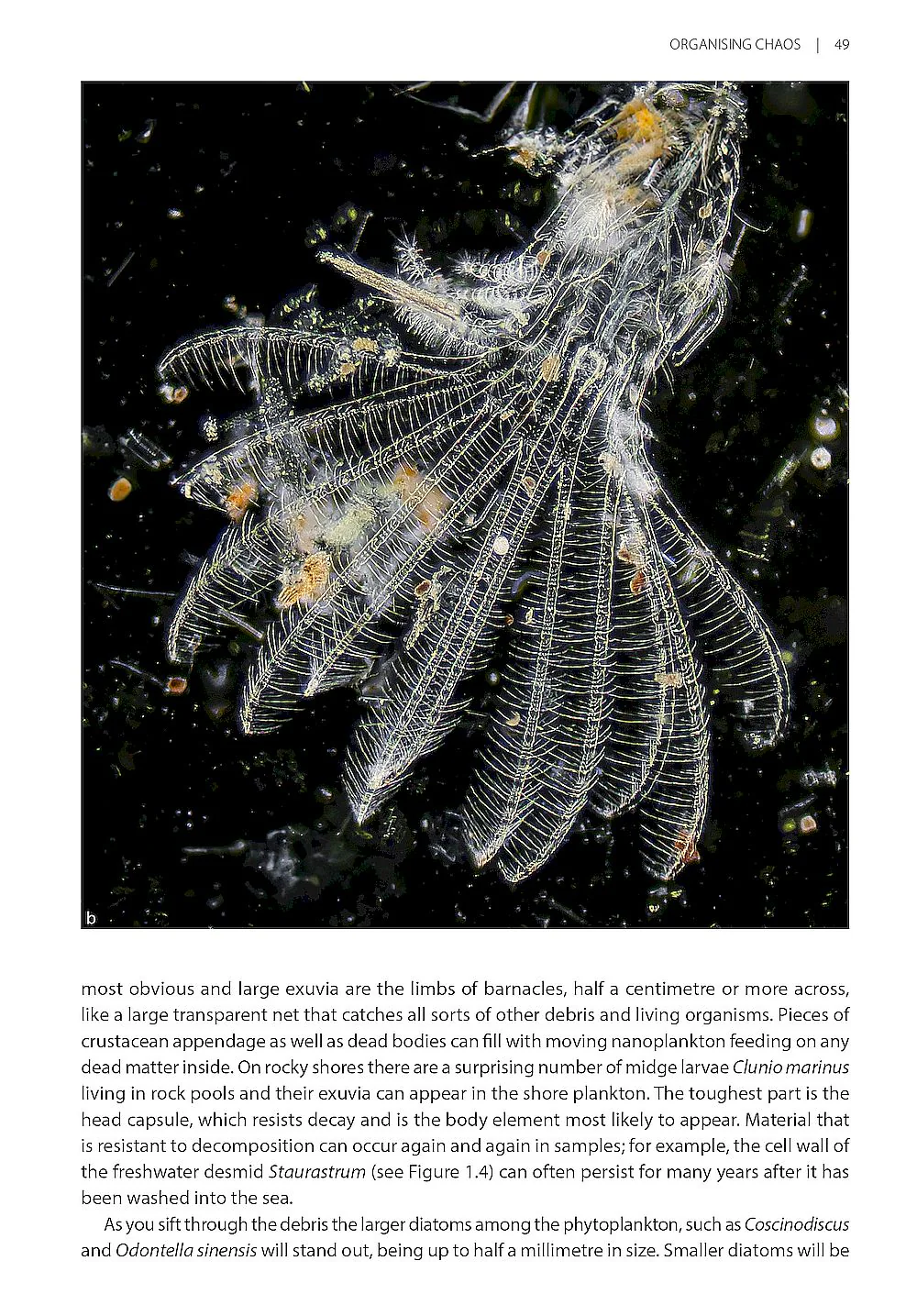
- How to organise and sort samples, including systematics, classification and terminology.
- Identification of planktonic organisms by group.
- Details of the wider marine planktonic environment, including vertical migration, food webs and nutrient cycles.
- The interactions of plankton and humans, including microplastics, eutrophication and climate change.
Contents
Preface
Acknowledgements and photographic credits
Part I: What is plankton?
1. A drifting life
2. A brief history of discovery
3. Collecting from the shore
4. How to observe marine plankton
5. Organising chaos
Part II: Organisms within the plankton
6. The microbes: fungi, bacteria and viruses
7. The productive ones: diatoms and other algae
8. Plant or animal? Dinoflagellates
9. Ciliates, tintinnids and other strange protists
10. Rotifers, gastrotrichs and tardigrades
11. Predatory jellies
12. Molluscs: the whirling dervishes
13. Insects of the sea: crustaceans and other arthropods
14. Worms and more worms
15. Chaetognatha: the arrow worms
16. Lophophorates and the sea mats
17. A change in symmetry: the echinoderms
18. Chordate and hemichordate relatives
Part III: The marine plankton environment
19. Cycles and recycles
20. Plankton, humans and climate
Glossary
Resources and bibliography
Index