
Customer Support
0
Close

Categories

Filters

    Optics

    Optics

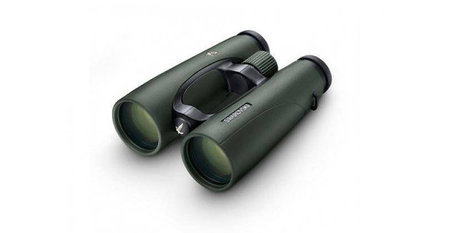
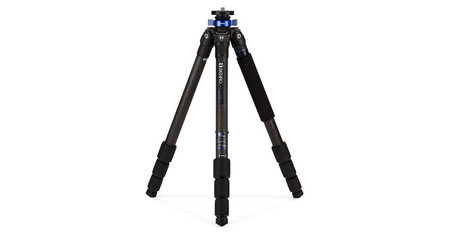
    Optics includes groups such as binoculars, telescopes, magnifiers, tripods, photo gear and accessories. Each of these groups has its own category at Veldshop, which offers a wide variety of products. These tools are used for observation, research, and other outdoor activities, for both private and professional use.

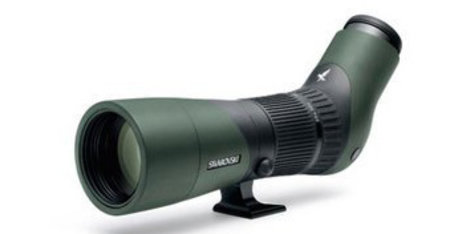
    The biggest difference between binoculars and a telescope is usually the magnification. Binoculars usually have a lower magnification (8x to 12x), while a telescope (also called a spotting scope) has a higher magnification (20x to 60x). Because of the low magnification, binoculars are more suitable for tracking moving targets, such as birds. A spotting scope, on the other hand, is more suitable for statistical observation, such as tracking animals at a distance or specific landscapes. You can find binoculars here, while telescopes are on this page.

    Ecologists often use a combination of binoculars, magnifiers, and telescopes during fieldwork. Binoculars are useful for general wildlife observation, while a telescope with a tripod provides more detail for remote species monitoring. For studying small organisms such as insects or mosses, a magnifier with 10x to 20x magnification is ideal. Important factors in the choice are portability, durability, and optical quality.
     

    Good optics are important for accurate observation of species, behavior, and habitats. The advantage of good optics is that you don't have to approach the animals closely. High-quality optics provide sharper images, better color reproduction, and less distortion. These characteristics increase the reliability of observations. This is valuable for ecologists and nature observers because they minimize disturbance while still collecting valuable data from a safe distance. For example, with a telescope, you can identify wading birds from a great distance without entering the area. For private observers, good optics can be important for admiring animals and plants up close and in detail.

    For children and beginners, compact, lightweight binoculars with 8x magnification and a lens diameter of 25-32 mm are best suited due to their ease of use and wide field of view. Magnifiers can also help with studying small insects and plants up close. For those who want to explore a little further, a spotting scope (telescope) with a tripod is a good option for observing birds and animals from a distance.