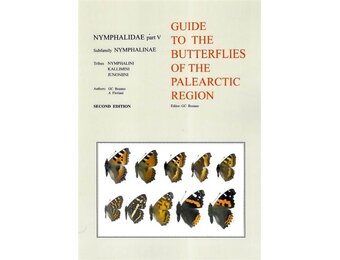
| Series | Guide to the Butterflies of the Palearctic Region |
| Authors | GC Bozano, A Floriani |
| Language | English |
| ISBN | 9788887989298 |
| Publisher | Omnes Artes |
| Pages | 90 |
| Format | 297 x 210 mm |
| Binding | Paperback |
| Pictures | Photos, drawings, maps in colour and b/w |
| Year of publication | 2023 (2nd edition) |
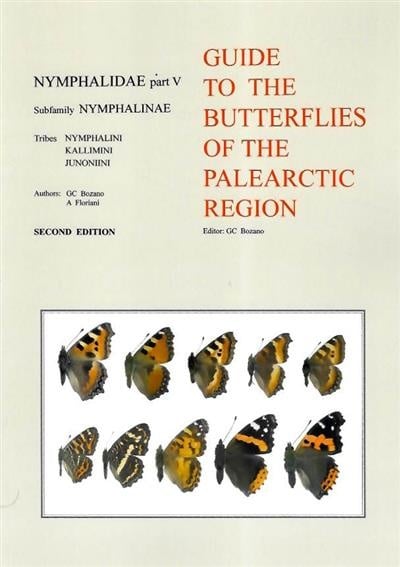
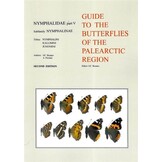
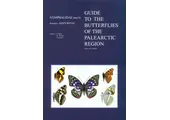
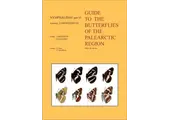
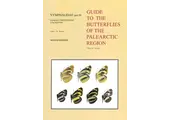
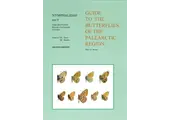
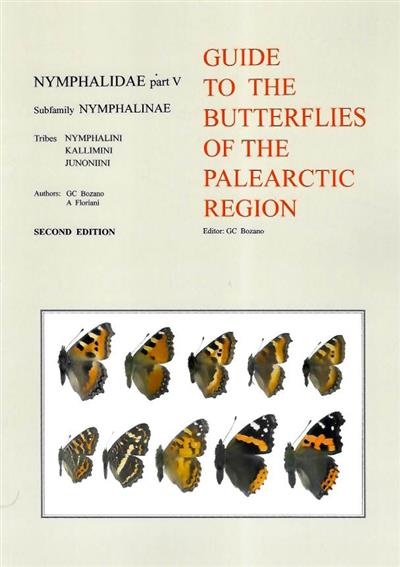
Guide to the Butterflies of the Palearctic Region - Nymphalidae part V is the fifth in the 'Guide to the Butterflies of the Palearctic Region' series to cover the Nymphalidae. This volume deals with the Subfamily Nymphalinae, Tribes Nymphalini, Kallimini, Junoniini.
The authors have attempted here to list all the existing names ever erected for any species, subspecies or individual form of the Palearctic Nymphalinae, including their original combination, bibliographic references and type localities, as quoted by the authors.
The systematics of two Nymphalini genera, namely Polygonia and Aglais, is not clear at all. Recent studies, based on the most advanced approaches and technologies, have shed light on some aspects of the generic arrangement within the Nymphalini tribe, but many more problems and questions have yet to be solved at the species level. The arrangement proposed in this book has to be taken as provisional.
Many Nymphalinae species are not at all palearctic therefore they are not covered in this book. Other species, who reach just the borders of the Palearctic region in the Chinese and in the Himalayan transitional areas, are not really Palearctic since they inhabit only the subtropical lowlands. Nevertheless they have been included in the book, without any coverage of their infraspecific taxa found outside the Palearctic region.
About the 'Guide to the Butterflies of the Palearctic Region' series
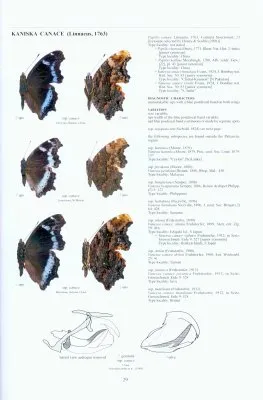
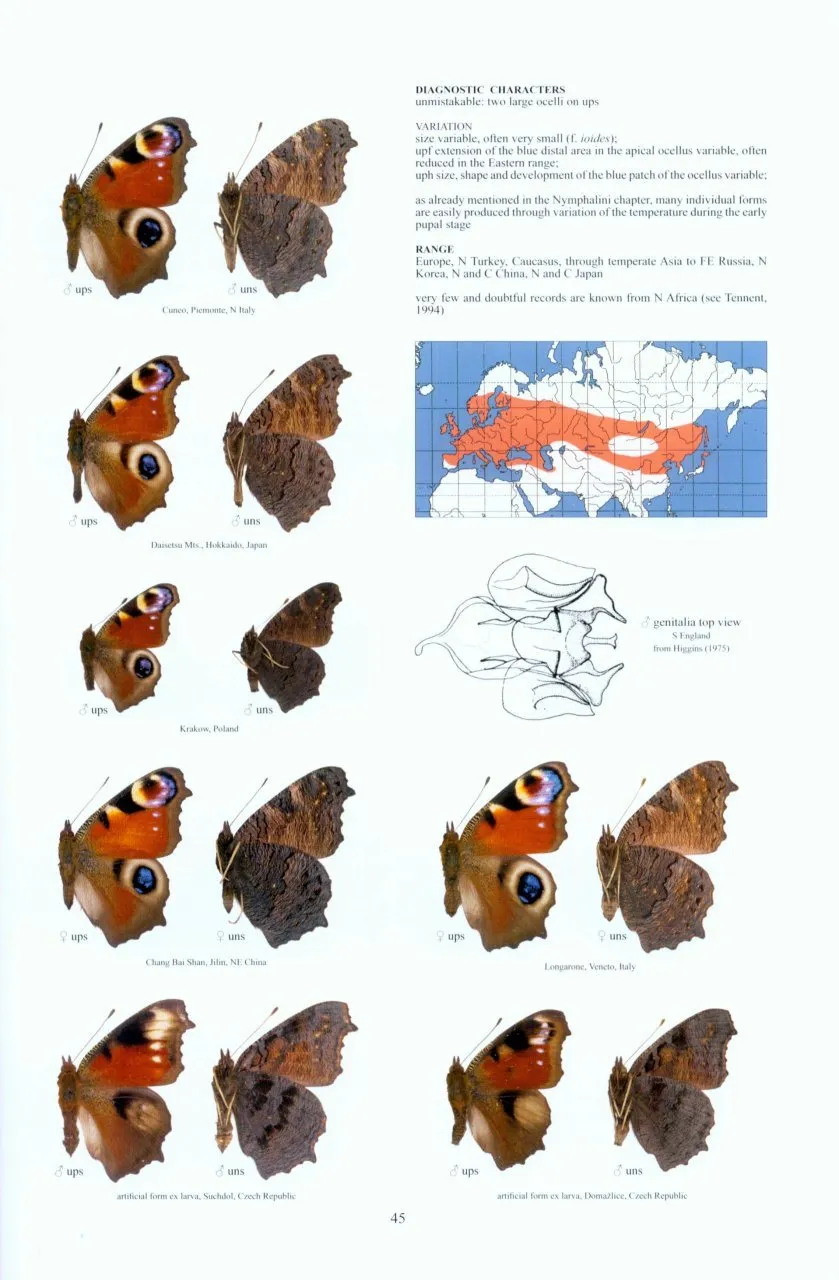
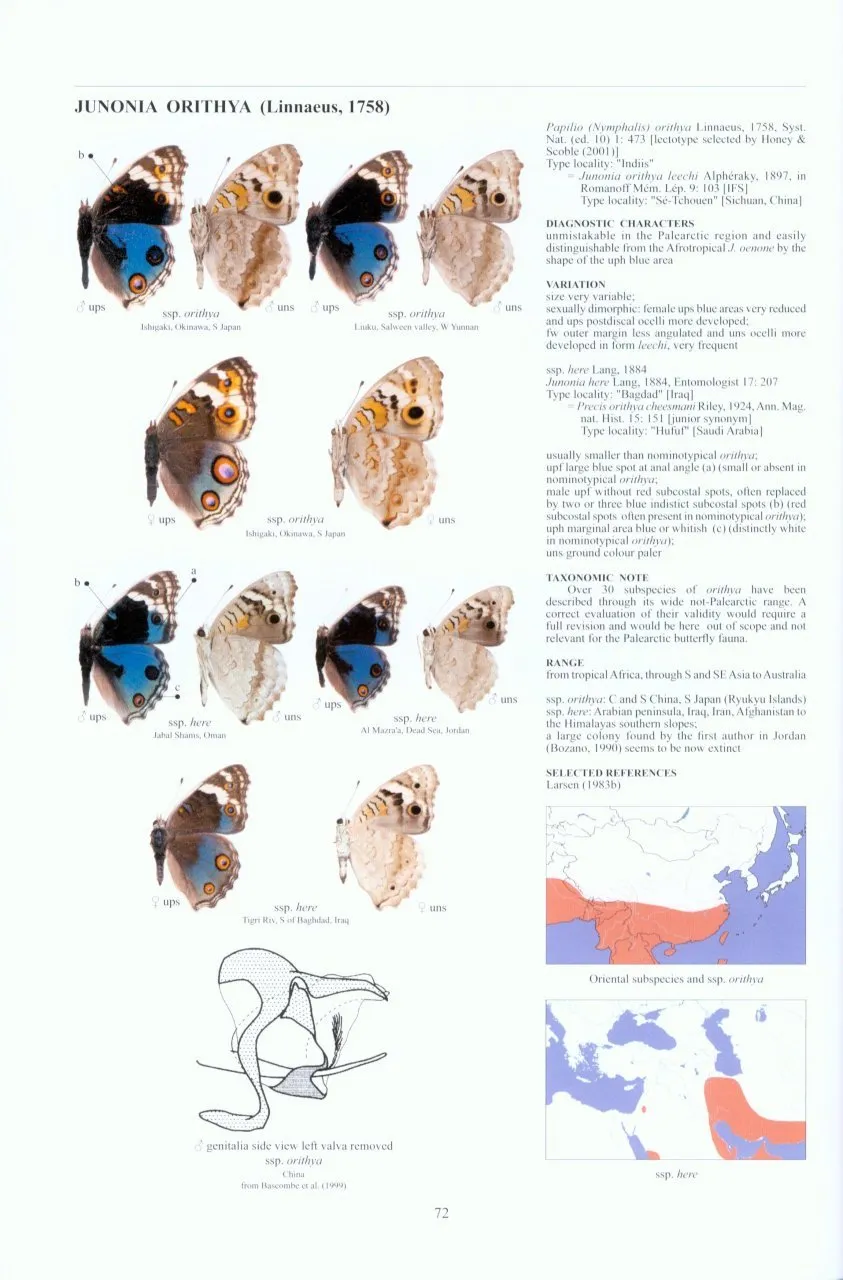
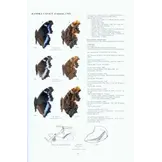
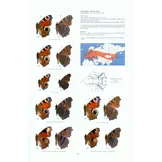
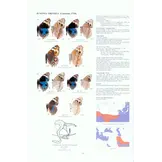
This is a series about the butterflies of the whole Palearctic, from North Africa and Europe to China and Japan. Each volume of the series will cover 80-100 species with full colour illustrations, genitalia drawings, distribution, taxonomy, variations and diagnostic characters. Many well-known lepidopterists worldwide are contributing to this project, with the final result being a series of booklets with each one covering a subfamily, a tribe or a group of genera with a total of 50 to 100 species. It is anticipated that, when completed, this series will comprise over 30 volumes of work covering the Satyridae, Papilionidae, Pieridae, Nymphalidae, Lycaenidae, Hesperidae, and other families.