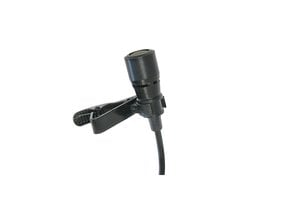
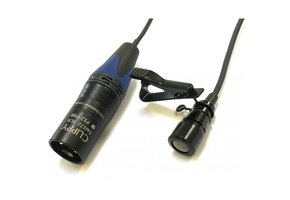
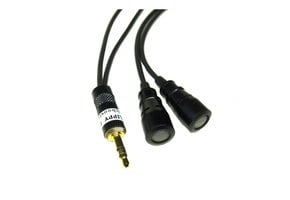
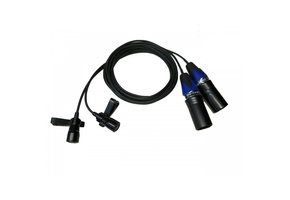
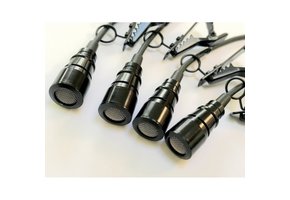
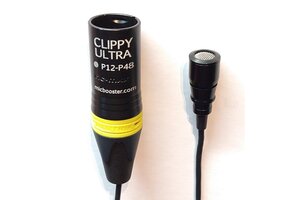
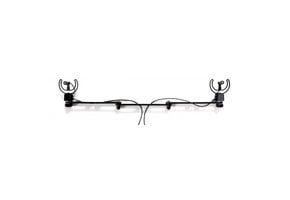
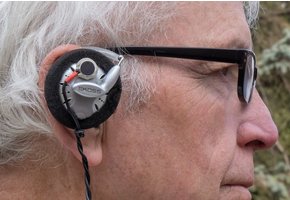
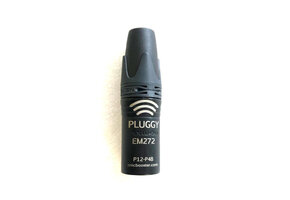
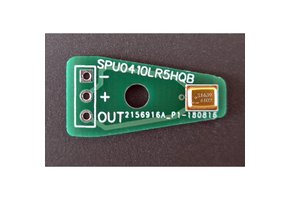
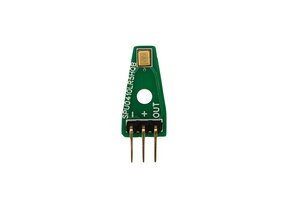
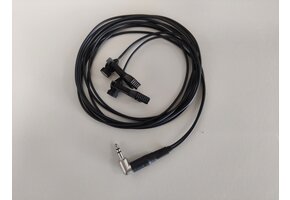
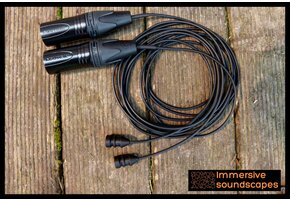
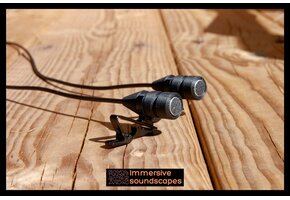
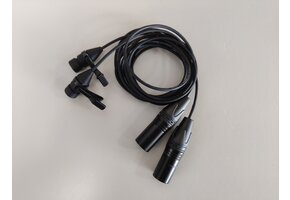
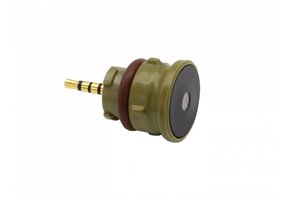
The main differences between XLR microphones and PIP microphones are the power supply, the cable used, and the connector. XLR microphones have a fused connector. This prevents the microphone from coming loose from the recorder. Additionally, the cable connection is "balanced," meaning the cable does not cause extra noise. This is particularly important for cables longer than approximately 10 meters. PIP microphones often have a thinner and shorter cable. Furthermore, PIP microphones have a TRS connection. The signal connection is not balanced, and the longer cables can therefore cause extra noise.
Both types of microphones require power. This power is supplied by the recorder. For XLR microphones, the connection is called Phantom Power; for PIP microphones, it is called Plug-in Power. This power option must be enabled on the recorder. This can be done using a physical button or by selecting an option in the menu.
XLR microphones are often used in professional field setups and are suitable for recorders with XLR inputs. PIP (Plug-In Power) microphones are designed for equipment that provides a plug-in power supply via the microphone jack.
Which microphone is compatible with your audio recorder depends on the connection, power supply, and the type of recording you wish to make. Many field recorders work with XLR microphones, while compact recorders may also be suitable for PIP microphones. Therefore, first check which microphone connection and power supply your recorder supports.