
All categories
Fieldwork
Nest Boxes
Garden Items
Books
Education
Gift items
Second chance
New
Deals
Repairs


Close
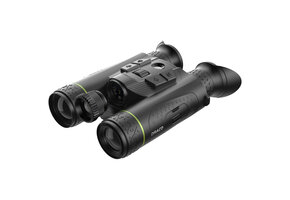
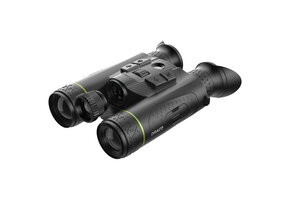
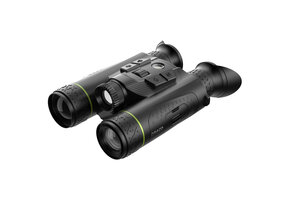
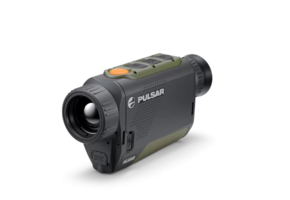
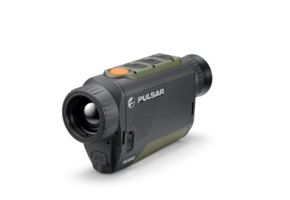
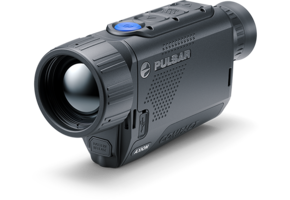
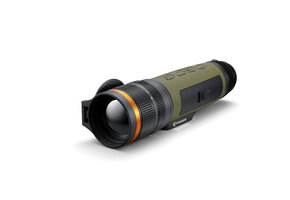
Because bats fly quickly, it's also important to choose a camera with a high refresh rate (preferably 50 Hz) and a wide field of view so you can track the animals smoothly. Ideally, choose a thermal imaging camera with a horizontal field of view of approximately 17° or wider, which equates to a 30-meter-wide image at a distance of 100 meters.
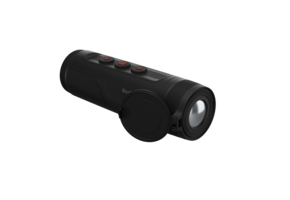
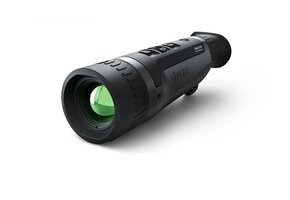
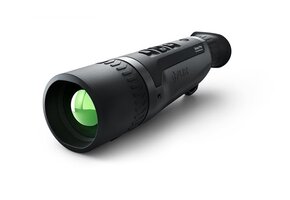
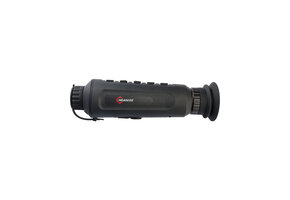
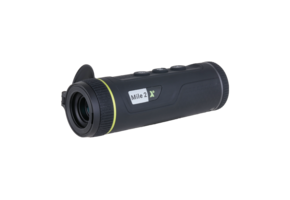
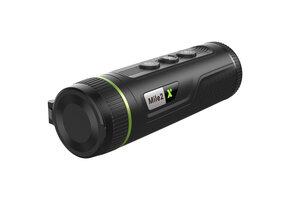
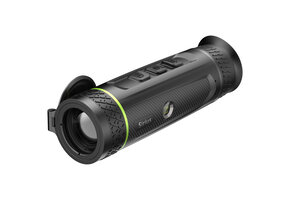
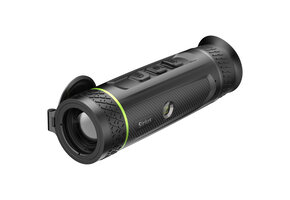
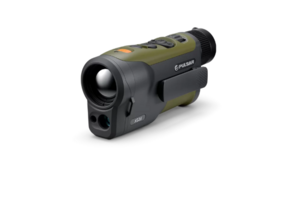
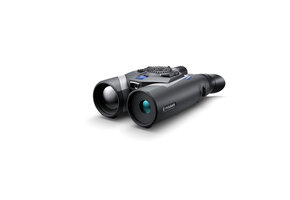
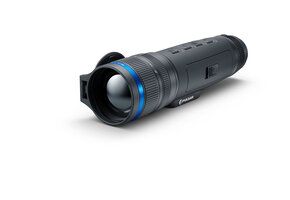
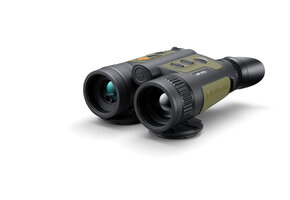
For example, consider the following suitable models:
Sensor resolution: The number of pixels used by the sensor. The more pixels, the more detail in the image. A high resolution is recommended for observing distant or small animals.
Pixel pitch (µm): The distance between the pixels on the sensor. A smaller pixel pitch results in higher magnification and more detail. A larger pixel pitch, on the other hand, offers better thermal sensitivity, especially under challenging conditions.
Thermal sensitivity / NETD: Noise Equivalent Temperature Difference. This value indicates how well the camera can distinguish small temperature differences. The lower the NETD value, the more sensitive and better the image.
Field of View (FOV): The size of the area you see in the image. This is usually expressed in degrees or meters at a distance of 100 meters. With a wide field of view, you see more of the surroundings in a single image. However, a larger field of view comes at the expense of magnification: the wider the FOV, the lower the magnification and the less distance you can see.
Find the order you'd like to withdraw
Enter your email address and order number.
Check your mailbox
If your details match an order, you'll receive an email with a link to view and manage it.